Coding & Development · 26 Oct 2026 · 14:26 CET
Can AI help solve the COBOL code crisis?
Publisher preview · OZZZER analysis pending editorial review.
PUBLISHER ARTICLE PREVIEW
From the original article
The ancient code holding the world together may meet its match in AI. Today is not that day.
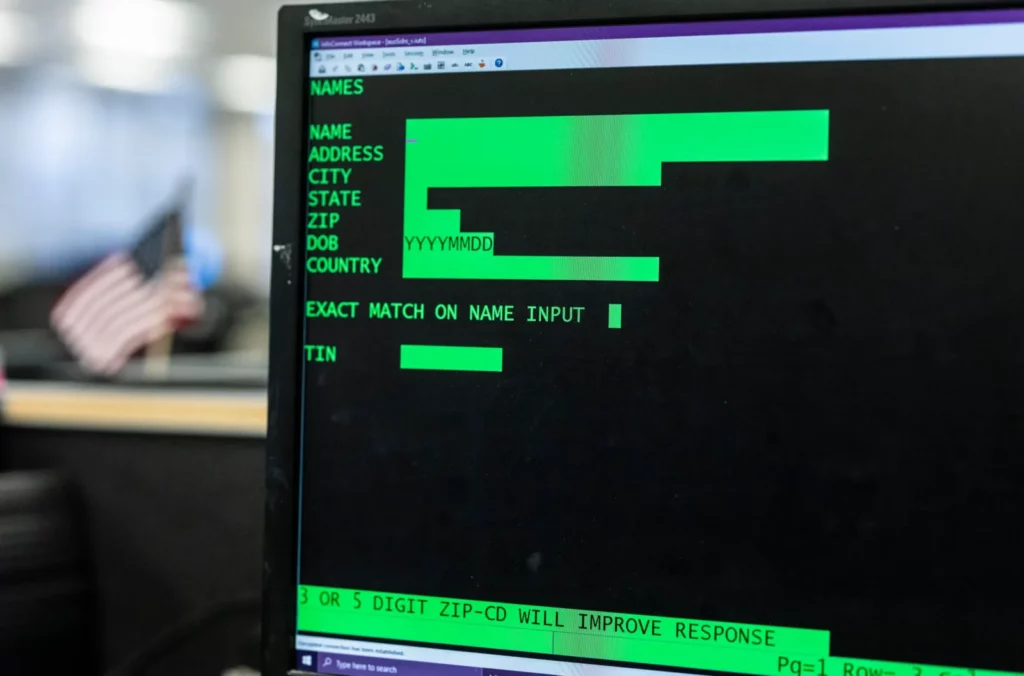
What do the IRS, banks, airlines, and government infrastructure around the world have in common? They’re all running on systems propped up by antique computer code that nobody dares touch, lest everything come crashing down.
OpenAI thinks it may have a solution. On October 19th, the company touted “substantial improvements” in its latest AI models’ ability to migrate aging software written in older programming languages into modern code, which it claims could help organizations with “maintaining and modernizing older systems.”
That’s a potentially massive deal. COBOL, one of the languages highlighted by OpenAI, remains stubbornly embedded in vast portions of the world’s critical infrastructure. And despite decades of efforts to banish it to history, the language has limped on, simply refusing to die.
“Nobody in their right mind would use COBOL for a new development project.”
It is hard to overstate COBOL’s ubiquity. Short for “common business-oriented language,” COBOL came into being in 1959. Nearly seven decades later, it is still everywhere. According to IBM, COBOL is the foundation for more than 40 percent of online banking systems, supports 80 percent of in-person credit card transactions, and handles 95 percent of ATM transactions. It also underpins many government systems, from Social Security to the IRS to services run by most states.
One rough estimate puts the annual cost of COBOL’s inefficiencies to the US GDP at around $105 billion.
But replacing COBOL is fiendishly difficult. The same goes for other legacy programming languages, like Fortran, still in use today for everything from scientific computing and weather forecasting to atmospheric and ocean studies and codes critical to nuclear security. These systems are often too important to risk breaking, and many of the programmers who understand them have long since retired or died.
For all their impressive advances in modern software development, AI coding tools have struggled to make much headway with these legacy systems. But recent developments suggest that may be changing.
In its latest blog post, OpenAI reported promising results migrating COBOL code to more modern programming languages, including C++, Java, Kotlin, Python, and Rust, without changing what the original software does.
Source
The Verge AI · 26 Oct 2026 · 14:26 CET
Open the original at The Verge AI ↗