Safety & Security · 2 Oct 2026 · 00:10 CEST
Whatever AI Safety Is, It’s Not This
Publisher preview · OZZZER analysis pending editorial review.
PUBLISHER ARTICLE PREVIEW
From the original article
Here’s a fun history lesson for you. Don’t worry, we’ll make it quick! In 1966, nearly 51,000 people died on US highways. The overwhelming evidence suggested that many lives could have been saved with modern seat belts, which by then had been around for several years. The automotive industry responded by rallying together, and, in a triumph of self-regulation, voluntarily put the safety feature in every new vehicle that rolled off the line.
Kidding! Of course they didn’t do that. In the fall of 1966, Congress established the Department of Transportation and then passed the National Traffic and Motor Vehicle Safety Act as well as the Highway Safety Act, giving the federal government sweeping new authority to set safety standards. By 1968, seat belts were required in every new car.
Despite a massive increase in highway traffic in the last 60 years, far fewer fatalities happen on the road today.
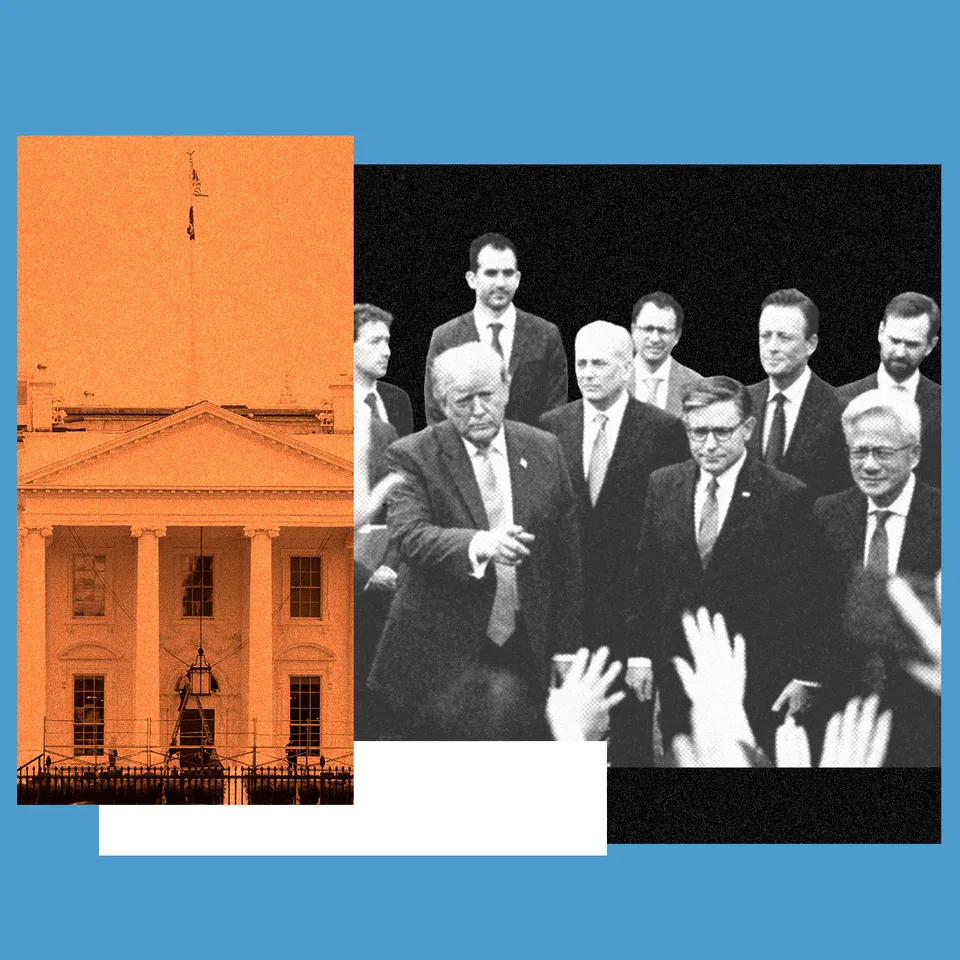
I was thinking about this while watching various AI CEOs huddle around US president Donald Trump on Tuesday, congratulating themselves and each other on having signed an AI safety accord. My colleague Maddy Varner wrote about the specific stipulations here, but the short version is that it’s largely up to the AI labs to keep themselves in check.
Or, as Trump put it even more succinctly in the Oval Office on Wednesday: “They’re gonna police, and they’re gonna police each other, and they’re gonna self-police, they’re gonna police themselves.
Source
WIRED AI · 2 Oct 2026 · 00:10 CEST
Open the original at WIRED AI ↗