AI · 9 Nov 2026 · 11:34 CET
NYU Langone’s PREVIA Flags PTSD Risk From Emergency Narratives
Publisher preview · OZZZER analysis pending editorial review.
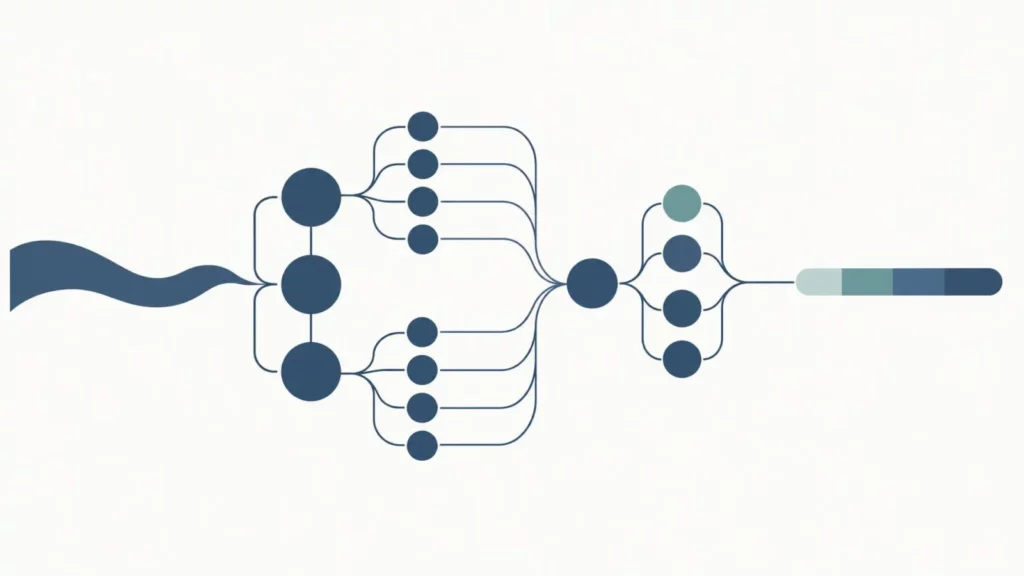
NYU Langone Health announced on November 9, 2026, that its PREVIA AI ensemble analyzed emergency-department trauma narratives to estimate one-month post-traumatic stress disorder (PTSD) risk, reporting 95.4% sensitivity for the best configuration in a 145-patient study. The experimental screener is designed to identify at-risk patients without adding a lengthy mental-health questionnaire to emergency intake. The Nature Communications paper, also published November 9, reports 78.5% AUROC and 46.8% precision across three cross-validation folds and calls for validation in larger, independent cohorts.
Sensitivity measures the share of later PTSD cases detected, precision measures the share of flagged patients who actually developed PTSD, and AUROC summarizes how well the scores separate the two outcomes. That precision means many positive screens would be false positives, potentially adding follow-up staff time, patient burden and resource-allocation costs, although the next step would typically be a brief assessment rather than invasive intervention.
PREVIA is designed around a practical gap: only about 28% of US emergency departments routinely screen for PTSD, and only two-thirds of those use validated questionnaires, according to the study. Standard assessments compete with immediate…
Excerpt supplied by the publisher.
Source
Unite.AI · 9 Nov 2026 · 11:34 CET
Open the original at Unite.AI ↗