AI · 4 Nov 2026 · 18:41 CET
My therapist thinks I should chuck the Amazon Bee Frontier out a window
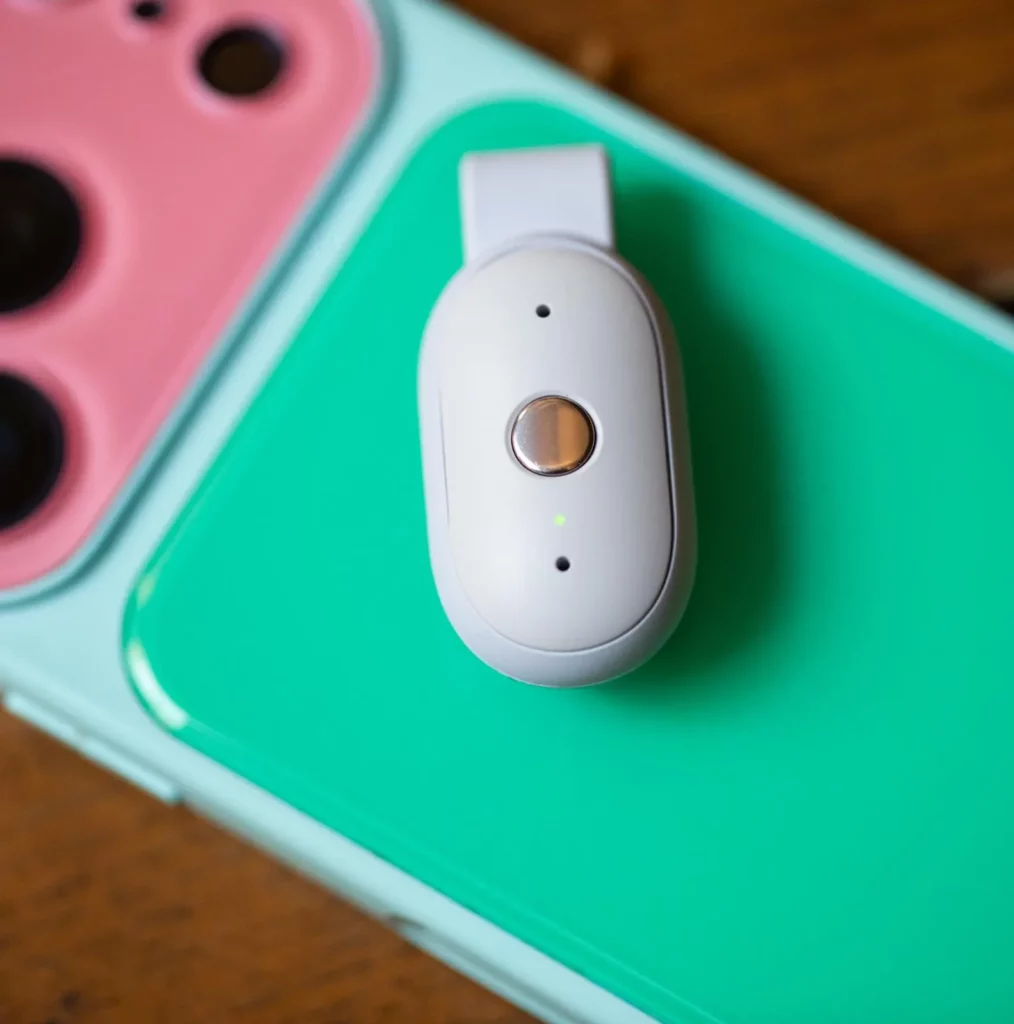
Publisher preview · OZZZER analysis pending editorial review.
PUBLISHER ARTICLE PREVIEW
From the original article
Filtering conversations and memories through AI is a reality-bending lesson in why intelligence can’t replace wisdom.
This is Optimizer, a weekly newsletter sent from Verge senior reviewer Victoria Song that dissects and discusses the latest gizmos and potions that swear they’re going to change your life. Opt in for Optimizer here.
I get asked this a lot in therapy. Plenty of life events, big and small, have triggered this question. Three weeks ago, it was the fact that I had to ask my therapist for her consent because I was wearing the Amazon Bee Frontier during our session.
That first week, I didn’t really have an answer. A lot had changed since I first tested Bee, an always-recording AI wearable, early last year. The elevator pitch is that it listens to all your conversations and uses AI to transcribe and summarize them. From there, it has a List feature that suggests to-dos, a Grow feature for identifying areas where you can improve, and various summaries that analyze the content, tone, and takeaways from your conversations.
It’s even got a chatbot that can answer questions about yourself or what was said and when.
In the last 19 months, it’s gotten better at distinguishing my actual speech from TV dialogue. It can now pull in information from my calendar and photos app, and suggest things to buy on Amazon based on what I’ve said. At times, particularly for job-related tasks, it’s helped me remember talking points. But most of the time, it’s led to me questioning my reality.
My therapist usually lets me arrive at my own decisions, even if I often take the scenic route to the obvious conclusion. After 11 years, she’s intimately acquainted with the wackier parts of my job. But in my third week of talking about Bee, my therapist requested that I chuck this thing right out a window.
It’s a bit dark, but a big reason I’m in therapy is to build trust in my own memories. I grew up with a dad who might’ve been a spy and an immigrant family that never agreed on a single version of events. Growing up, I felt unmoored. Were things truly as I’d remembered them?
Were my parents the unreliable narrators, or was I? Adding in their eventual dementia to the mix made discerning truth from fiction even harder.
In those moments, I had wished for a device like Bee. A reviewable record, so to speak, for moments where I wanted a sanity check. It’s funny in retrospect. Now that tech companies have started making this fantasy into a reality, what I feel is perpetually gaslit.
For example, it’s disorienting to see Bee’s transcripts and summaries of my conversations, often because the AI remembers and interprets them differently than I do. Like any AI, it’s not always precise about who said what. In the past three weeks, it’s concluded that I argue with a coworker’s spouse frequently (I’ve never met them), that I think a family member has undiagnosed bipolar disorder (No one ever said that!), and that I like to put my good pants on for important video calls. (That was a joke.)
Source
The Verge AI · 4 Nov 2026 · 18:41 CET
Open the original at The Verge AI ↗