Healthcare · 27 Oct 2026 · 16:10 CET
When AI Enters the Hospital: What Changes for Doctors and Patients
Publisher preview · OZZZER analysis pending editorial review.
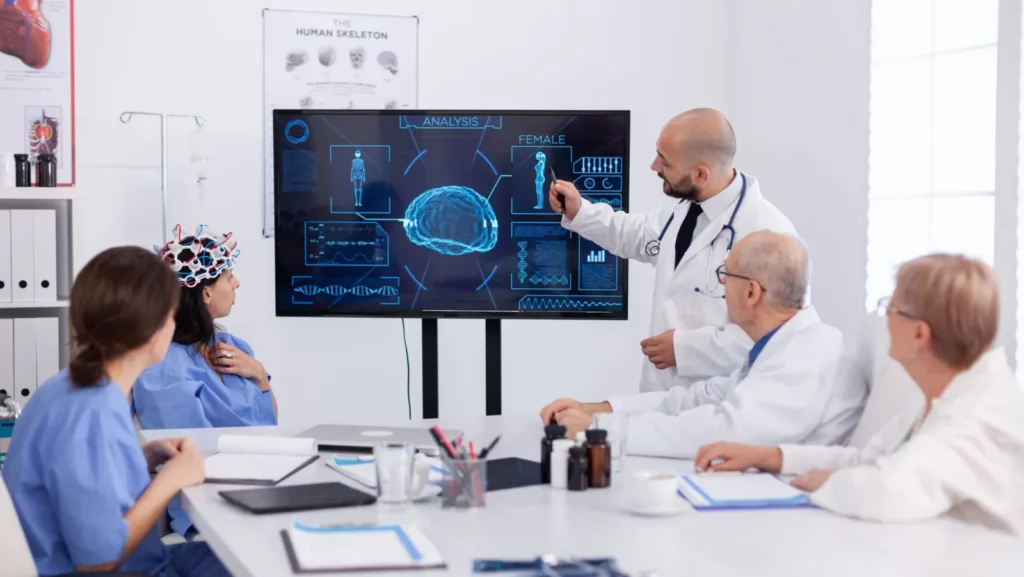
In my previous column, I explored medical AI from a business perspective, focusing on the opportunities it creates for technology companies. But beyond the potential for innovation and new markets, there is a more fundamental question: what difference will these technologies make to the doctors who use them and the patients who depend on them?
After all, the true value of medical innovation lies in its ability to improve the quality and accessibility of care. And I’m already seeing remarkable changes in how that care can be delivered. I know an entrepreneur whose company provides temporary medical staff to hospitals, including nurses who fill in when regular employees are unavailable.
You might expect a business like this to thrive amid persistent staffing shortages. But he says that even companies that specialize in supplying healthcare workers are struggling to find enough qualified people. Hospitals have faced shortages of doctors and nurses for decades. Training new healthcare professionals takes considerable time and resources. Medical education, particularly in the United States, can be too expensive, and the years of study and clinical training…
Excerpt supplied by the publisher.
Source
Unite.AI · 27 Oct 2026 · 16:10 CET
Open the original at Unite.AI ↗