Models & tools · 8 Oct 2026 · 11:00 CEST
‘Someone else will do it for less’: Refugees in Kenya are powering tech for dwindling pay
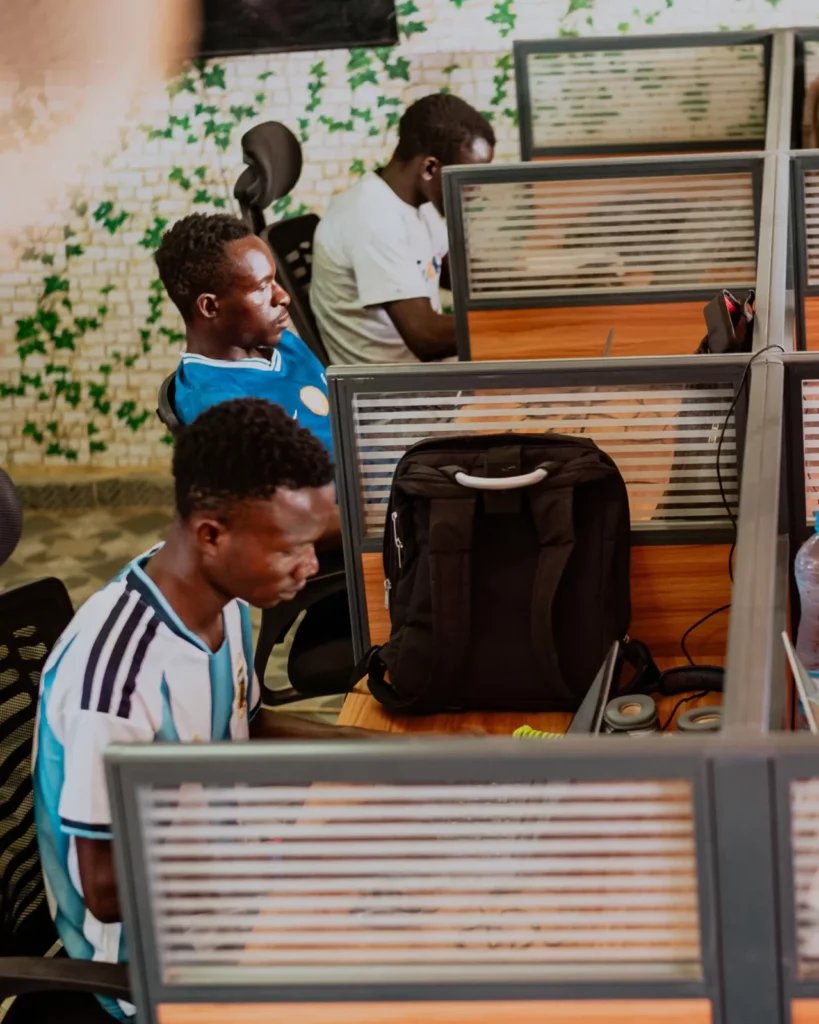
Publisher preview · OZZZER analysis pending editorial review.
PUBLISHER ARTICLE PREVIEW
From the original article
Refugee gig workers for tech companies don’t know how much they’ll be paid – if AI hasn’t already taken their jobs
In a portable building in Kakuma, a refugee camp near Kenya’s northern border with South Sudan, Grace used ChatGPT to research translations of Christian hymns in languages she doesn’t speak. She didn’t know the client, the purpose of her work or whether she would be paid, but as a refugee unable to legally work in Kenya, she needed any opportunity she could get.
Grace, who requested anonymity due to a nondisclosure agreement, prompted ChatGPT to translate the hymn’s English text into the assigned east Asian language. She then used the translation to search for existing versions and find information about its translator, author and Christian denomination. She fed those details to AOP Connect, a crowdsourced research platform owned by British AI enterprise software company RWS.
If RWS deems her work high quality based on six listed criteria, it could award her up to $500 as a “discretionary reward”, according to RWS researcher documents and manuals reviewed by the Guardian. But refugees aren’t guaranteed wages, and most earn significantly less than the maximum without being told why, said Asha Luka Abdallah, a mentor at the Solidarity Initiative for Refugees (SIR), an organization that trains refugees to work in the tech outsourcing industry.
Remote jobs such as content moderation and data annotation have been promoted as a win-win by United Nations agencies as well as global tech companies: refugees get income opportunities, AI and social media companies get a source of cheap labor.
But interviews with more than two dozen refugees in Kakuma show that only one side has clearly benefited. Tech companies have built some of their most powerful tools on datasets handled by precarious workers, including refugees, in low-income countries. But their pay, which was never high, appears to be vanishing as entry-level tech work disappears.
The shrinking number of opportunities is driving some to accept gigs for potential “rewards” rather than guaranteed wages, many said.
“It’s one of the things that keeps me awake at night,” Bahana Hydrogene, a Congolese refugee who set up the SIR’s digital skills programs in 2016, said of the increasingly opaque arrangements for refugees. “They can’t get transparent answers from these companies.”
A spokesperson for AOP Connect said the company offers researchers, regardless of location or background, the opportunity to participate in a wide range of projects. The reward structure is communicated “transparently upfront”, as is the nature of the copyright research work, but confidentiality is critical to AOP’s clients, the spokesperson said.
Pay is based on the quality, relevance and timeliness of research submitted, and the AOP Connect platform is “not AI-enabled or used for AI-model training work”, the spokesperson added.
Before Grace could become a qualified researcher, she filled out a questionnaire, agreeing to keep her work confidential and complete tasks by herself. Then she was able to potentially earn money through so-called “microwork”, digital tasks broken off of large confidential projects and distributed to remote workers via online platforms.
She logged into AOP Connect to see a list of opportunities and found the hymns research project advertised at $9,000 in rewards available. That figure, however, would be divided among an unknown number of contributors as discretionary “rewards” rather than guaranteed wages, according to a notice displayed on the listing. RWS said higher-quality work leads to higher pay, but there is little transparency about how assessments are made, according to program participants and payment notices reviewed by the Guardian.
Chatbot-assisted research on behalf of mysterious clients offering the chance to win rewards was not what Hydrogene had in mind for when he set up the SIR’s digital skills programs in 2016. He hoped the booming global outsourcing industry would help refugees earn a guaranteed income.
Some highly skilled refugees in Kakuma have found remote work through outsourcing and freelancer platforms to be a gamechanger.
Source
Guardian AI · 8 Oct 2026 · 11:00 CEST
Open the original at Guardian AI ↗