Business use · 1 Oct 2026 · 12:00 CEST
How smaller, distributed batteries could help the grid
Publisher preview · OZZZER analysis pending editorial review.
PUBLISHER ARTICLE PREVIEW
From the original article
From e-bikes to stoves, here’s how companies are adding energy storage in surprising ways.
If you want to install a big battery in New York City, you have to cut through a notoriously tough tangle of regulations. That’s made it difficult to get large energy storage projects on the grid.
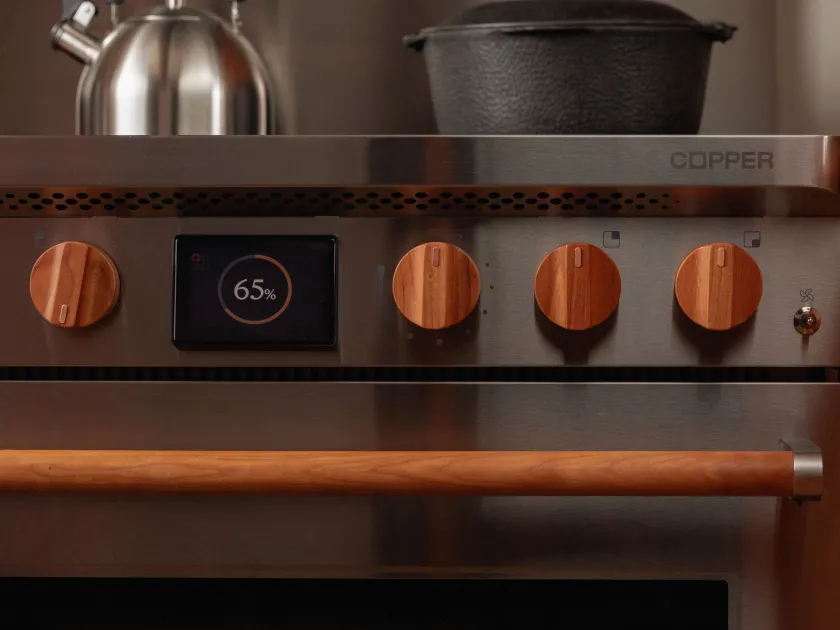
Faced with those obstacles, some startups are getting creative, finding ways to use relatively small batteries in unexpected places, from induction stovetops to food carts. By deploying these more consumer-focused batteries, the companies are helping people directly, cutting pollution or power bills. And these units, while small on their own, could add up to a lot of capacity.
Large, utility-scale battery installations are coming online quickly around the world. But there’s been some pushback from communities—especially population-dense ones like NYC—because of concerns about relatively rare but high-profile battery fires.
“The number-one challenge that large-scale centralized energy storage providers have is the fact that their benefits are abstract and their costs are concrete,” said David Hammer, cofounder of PopWheels, at a New York Climate Week event on September 24.
PopWheels built a battery-swapping system for delivery drivers who zip around the city on e-bikes. Drivers swap out depleted batteries for fresh ones at a cabinet, avoiding the need to stop and charge.
Source
MIT Technology Review · 1 Oct 2026 · 12:00 CEST
Open the original at MIT Technology Review ↗