Healthcare · 30 Sep 2026 · 21:31 CEST
RFK Jr. thinks AI will free us from the "tyranny" of medical facts, expertise
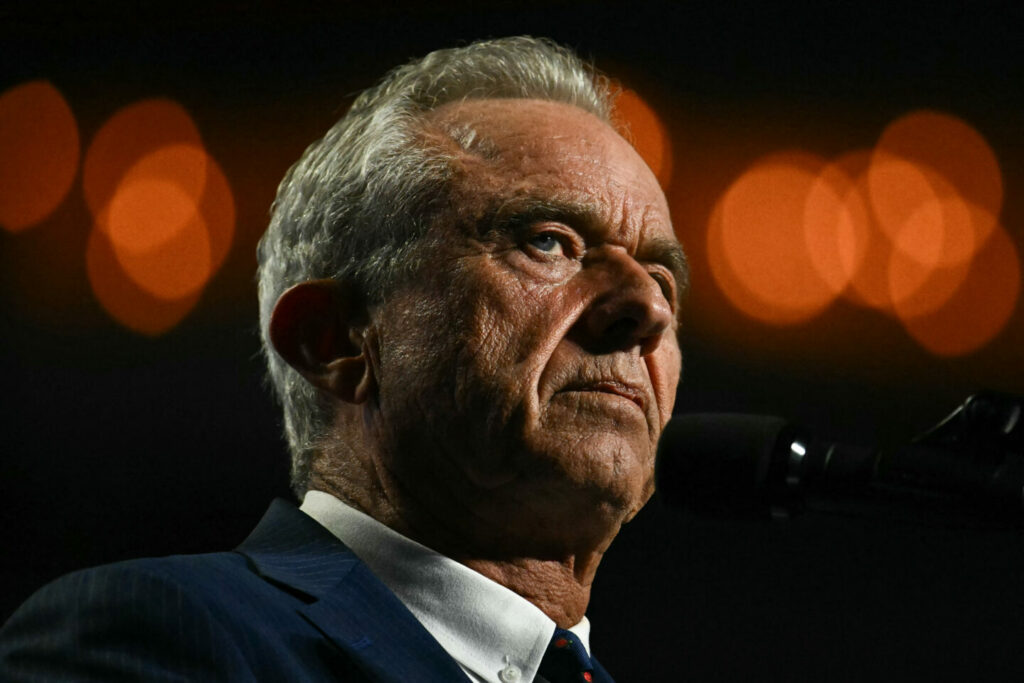
Publisher preview · OZZZER analysis pending editorial review.
PUBLISHER ARTICLE PREVIEW
From the original article
AI is far from a perfect resource. But it seems to hallucinate less than Kennedy.
At a Make America Healthy Again event Tuesday, anti-vaccine Health Secretary Robert F. Kennedy opened a “fireside chat” with Vice President JD Vance on the topic of artificial intelligence. While MAHA generally coalesces around things like healthy lifestyles and mistrust of drugmakers, Kennedy quickly turned to extolling the potential of artificial intelligence, surprising Vance, who said he was expecting to discuss “weight loss and acid, not AI.”
Kennedy boasted that the Trump administration is “making it easy for every American to use AI,” which he claimed would free us from the “medical tyranny” of doctors and health experts. He suggested Americans should start using AI to get second opinions about medical recommendations, saying AI is “better informed than any doctor in the country.” He also suggested that the technology would confirm his misinformation about vaccines and contrarian views on public health guidance.
“We’re never, ever again going to be able to be dominated by public officials who tell us trust the experts, because every American will be able to check their own medical advice,” Kennedy said.
Kennedy, who has no medical, scientific, or public health experience, then laid out specific examples in which he suggested AI would contradict health and medical experts and vindicate his own views:
“If somebody tells you masks work, trust the experts, AI may tell you otherwise. If somebody tells you social distancing works,
Source
Ars Technica AI · 30 Sep 2026 · 21:31 CEST
Open the original at Ars Technica AI ↗