AI · 30 Sep 2026 · 19:24 CEST
The ugly economics of consumer AI
Publisher preview · OZZZER analysis pending editorial review.
PUBLISHER ARTICLE PREVIEW
From the original article
After this week, you could argue that consumer AI is making a comeback.
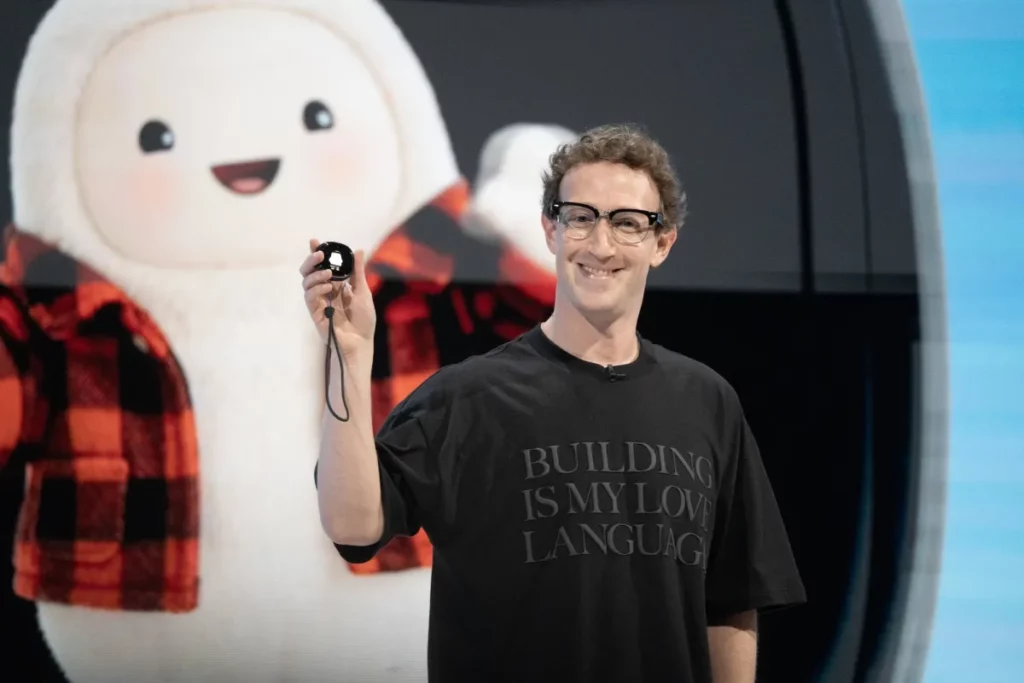
Meta’s personal AI assistant, Muse, and its plush-like mascot Jolly, has been a surprise hit. OpenAI’s Dots, released just yesterday, appears to be chasing the same cartoony personal assistant idea. And the up-and-coming Instinct assistant reached a $10 billion valuation on the strength of its agentic errand-running, focused on booking travel, making restaurant reservations or cancelling subscriptions.
The bull case is easy to make. Agentic AI has finally gotten reliable enough to handle everyday tasks. Companies are increasingly pitching that service to everyday people, who are getting genuine value out of it. If you’re an investor, that looks an awful lot like the ChatGPT launch in 2022 — the raw power of AI opening up a product category that was never possible before.
Who wouldn’t want a piece of the action?
But there’s a reason frontier labs have gotten gunshy about consumer AI — and it’s not because the tech isn’t good enough. Even staggeringly popular tech products are starting to hit a ceiling on how much money consumers are willing to pay, and it’s not clear that better models are actually leading to a more profitable consumer business.
The result has been an industry-wide shift toward the Anthropic model, focusing on enterprise contracts and vertical-by-vertical expansion.
If products like Muse and Instinct are bucking that trend, it’s because they’re less concerned with monetization. But the underlying economics of consumer AI are not getting any better, and anyone getting into the business will have to grapple with them eventually.
We got a reminder of those economics in Andreessen Horowitz’s
Source
TechCrunch AI · 30 Sep 2026 · 19:24 CEST
Open the original at TechCrunch AI ↗