AI Audio · 28 Sep 2026 · 17:00 CEST
After a deepfake voice fooled her grandfather, this founder sprang into action
Publisher preview · OZZZER analysis pending editorial review.
PUBLISHER ARTICLE PREVIEW
From the original article
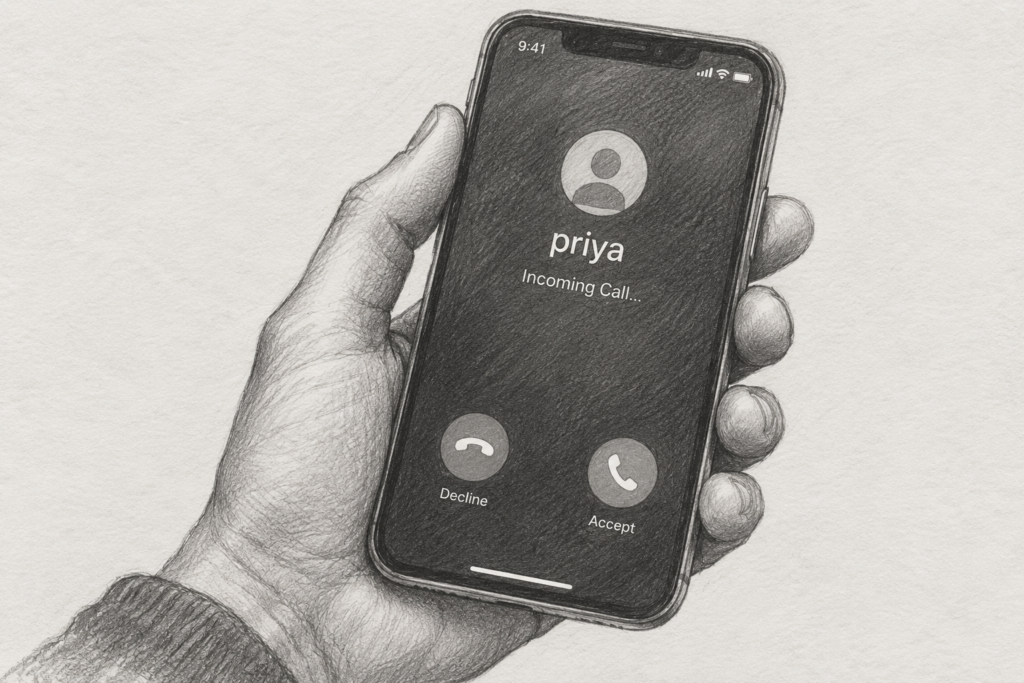
When the call came, Tarini Padmanabhuni’s grandfather believed he was talking to his brother. The voice on the other end of the line said he’d been kidnapped and that the only way to get him back was to pay a ransom. Her grandfather paid, only to learn later that his brother had been somewhere else entirely, with no clue any of it was happening.
The voice, it turned out, was a deepfake, an AI-generated imitation.
“What stayed with me wasn’t the money,” Padmanabhuni says of the incident. “It was that he had no way of telling.”
That was about two years ago. Today, she says, DetectifAI, the San Francisco-based company she founded, aims to ensure that others can’t be hoodwinked the same way.
It’s a big and growing problem, with a market to match. According to the FBI, Americans lost close to $900 million to AI-driven scams last year, up 24% from 2024. People 60 and older lost twice as much as those aged 50 to 59.
There’s no shortage of competition in deepfake voice detection, from companies such as Reality Defender, Pindrop, Resemble AI, Microsoft Azure AI Content Safety, and Nuance (which Microsoft also owns). But today’s detection products, Padmanabhuni argues, run in the cloud on remote servers, so phone makers can’t build them directly into their devices, leaving the person being targeted with little in the way of defense.
Rather
Source
TechCrunch AI · 28 Sep 2026 · 17:00 CEST
Open the original at TechCrunch AI ↗