AI · 26 Sep 2026 · 12:30 CEST
Meta’s Muse Is Adults-Only. Why Does It Look Like a Kids’ Toy?
Publisher preview · OZZZER analysis pending editorial review.
PUBLISHER ARTICLE PREVIEW
From the original article
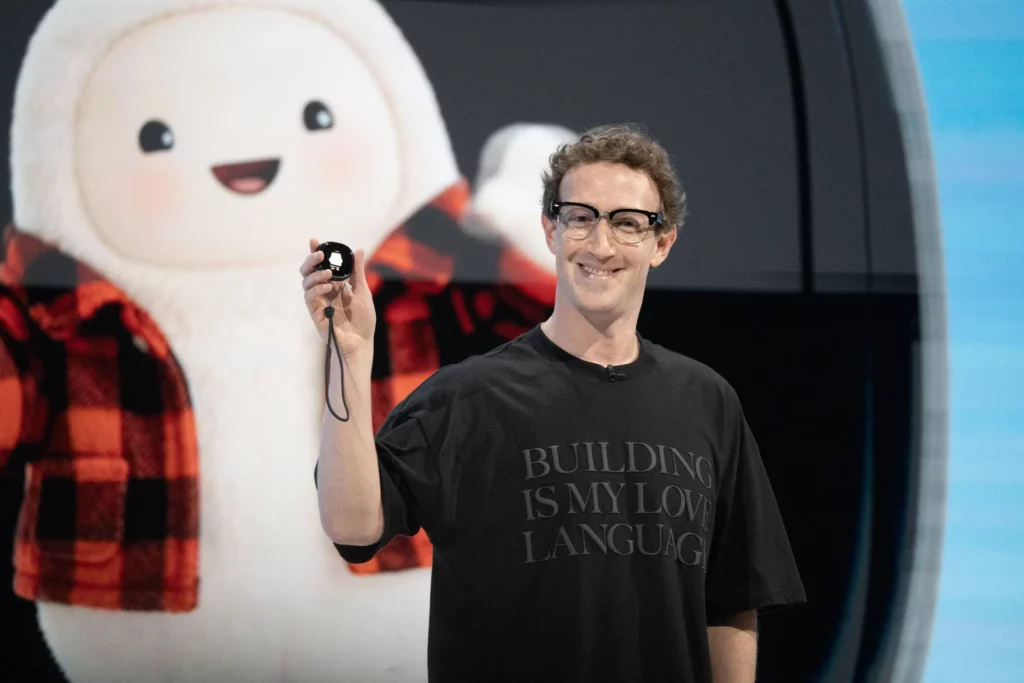
Metaâs Muse mascot is named Jolly. It's an adorable, cuddly representation of Metaâs AI agent that you can dress however you wantâlike a doll. At the companyâs recent Meta Connect event, CEO Mark Zuckerbergâs furry Muse donned a toga and laurel wreath. In Instagram ads I saw for Muse, the mascot wore exercise gear and boasted about helping with my fitness goals.
Later this year, Meta plans to sell a Tamagotchi-style device for your Muse character. Itâs all very kawaii-coded.
Although Museâs ability to complete digital tasks rocketed it to the top of the app charts, its Labubu-adjacent mascot latched this agent onto the cultural zeitgeist. Alexandr Wang, Metaâs chief AI officer, recently posted nonstop memes of Jolly, sometimes in suggestive situations. What remains perplexing to me is why a product for adultsâMuse is restricted to those 18 and overâlooks just like a well-designed childrenâs toy.
"This is a story in search of a story,â Meta spokesperson Daniel Roberts tells WIRED. âPeople want to be able to create their own avatar with personality and unique style, because it's fun and brings them joy. We require everyone using the Muse app to provide their date of birth, we block people we detect may be under 18 from creating an account, and we do additional checks to help ensure people who say they're adults are actually over 18.â
Mona Sarantakos, vice president of Product Management at Meta Superintelligence Labs, describes the design process for Muse as leaning into âdelightfulâ elements and meant to feel less awkward than chatting with âa corporate logo or entity,"
Source
WIRED AI · 26 Sep 2026 · 12:30 CEST
Open the original at WIRED AI ↗