Unclassified · 25 Sep 2026 · 22:15 CEST
MIT students gain a humanist lens on technical innovation in Tulsa, Oklahoma
Publisher preview · OZZZER analysis pending editorial review.
PUBLISHER ARTICLE PREVIEW
From the original article
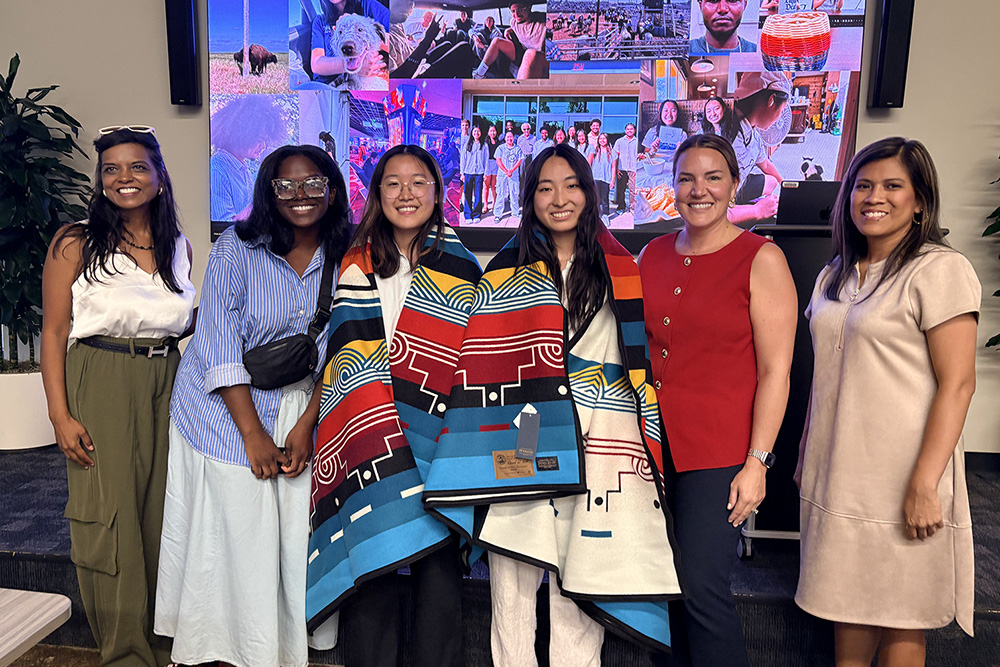
When MIT mechanical engineering student Daphne Wang arrived for her internship at the Muscogee Creek Nation Department of Health in Tulsa, Oklahoma last summer, she expected to be writing code. To her surprise, she found herself analyzing tribal history and the implications for technical innovation.
“I learned so much that I think should be required curriculum for every single person in this country,” says Wang. “I think tech for good is genuinely getting out into communities and learning about people who aren't you, creating worldly perspectives that you ultimately can take into everything else that you do.”
Wang and fellow intern Lucy Sun, who is majoring in artificial intelligence and decision making, spent the summer supporting the development of the Muscogee Nation's first Pregnancy Risk Assessment Monitoring System (PRAMS) survey to capture maternal health data specific to Muscogee women. The project required completing literature reviews, analyzing datasets, and drafting survey questions, while considering issues of data sovereignty and governance structures specific to the Muscogee.
“It was this change of pace — 180 [degrees] from MIT, completely,” Wang reflects. At MIT, she says, course instructors routinely prepare students for big technical challenges, but there are fewer opportunities to “work with communities, [learn] how to think about the cultural and historical dimensions of the work, or how to consider the people who will be affected.”
Wang’s supervisor, epidemiologist Breanna McNaughton-Long, was effusive about Wang and Sun’s engagement. “They were instrumental. They did so much work that I don't think we would have been able to do as quickly,” she says. “And they brought this sense that we were doing something that mattered.”
Wang was one of 10 MIT undergraduates to participate in the PKG Center for Social Impact’s 2026 Code.Tulsa program. Now in its second year, Code.Tulsa is made possible by support from the Patrick J. McGovern Foundation and the George Kaiser Family Foundation.
Students live at the University of Tulsa for the summer. They intern with the Muscogee and Cherokee nations, as well as local nonprofits Black Tech Street and Urban Coders Guild, completing AI,
Source
MIT News · 25 Sep 2026 · 22:15 CEST
Open the original at MIT News ↗